At Elysium Massage, we believe in therapies that not only feel relaxing but also support your body’s natural balance. Reflexology, a holistic practice with roots in Egypt, China, and India, has become a popular modality for reducing stress, promoting wellness, and supporting overall health*.
The origins of reflexology are difficult to trace due to its long history and reliance on oral tradition. Some historians believe it may have first been documented as a pictograph in the Egyptian tomb of Ankhamor around 2330 BC, alongside other medical practices. Reflexology symbols are also thought to appear on the feet of Buddha statues in India and later in China, highlighting the practice’s early influence across cultures.
But what does science say about this unique therapy?
What Is Reflexology?
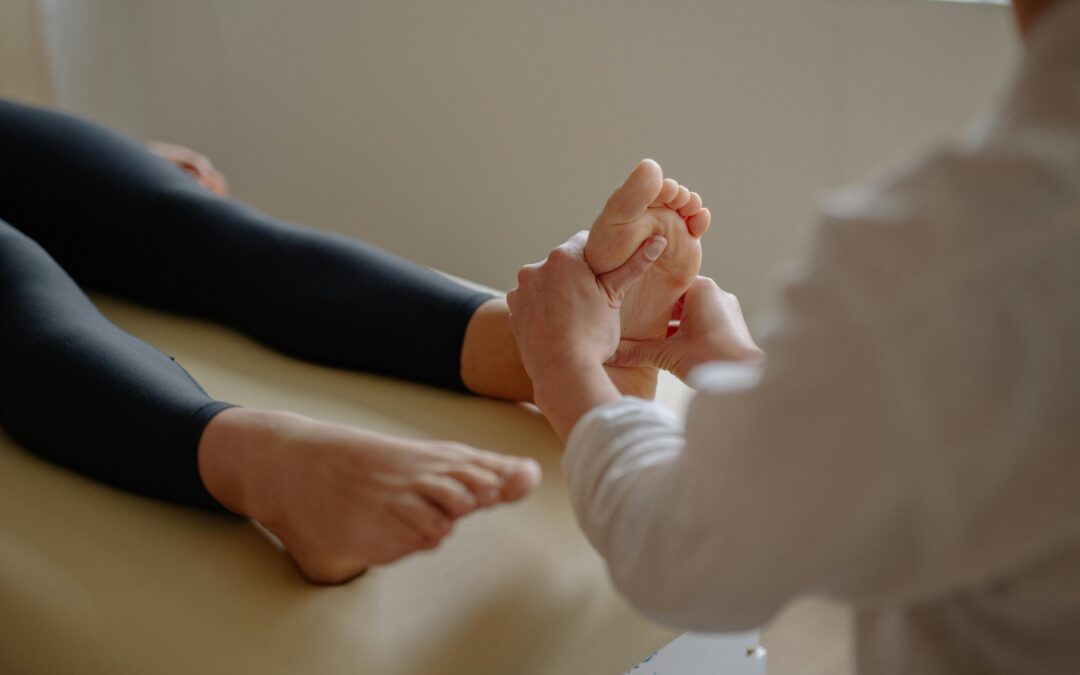
Reflexology is a therapeutic technique that applies pressure to specific points on the feet, hands, and head, designed to reduce tension and support overall health by connecting these reflex points to corresponding areas of the body. These points are known as reflex points. By stimulating these areas, massage therapists and reflexologists aim to improve circulation, support nerve function, and enhance the body’s natural healing processes.
Unlike massage, which focuses on muscles and soft tissue, reflexology is based on the principle that certain areas of the feet and hands act as mirrors of the body’s organs. For example, the ball of the foot corresponds to the chest and lung area, while the heel relates to the lower back and sciatic region+.
How Reflexology Works
While reflexology is considered a complementary therapy rather than a medical treatment, research suggests several mechanisms by which it may support health**:
- Nervous system stimulation: Applying pressure to reflex points can trigger responses in the nervous system. This may promote relaxation, reduce stress, and enhance communication between the brain and other organs.
- Improved circulation: Gentle pressure and manipulation can help increase blood flow to specific areas, supporting oxygen and nutrient delivery throughout the body.
- Pain relief and relaxation: Studies have found that reflexology may help reduce pain, including headaches, menstrual discomfort, and chronic conditions like fibromyalgia. It also triggers the release of endorphins, the body’s natural “feel-good” chemicals.
- Holistic balance: Reflexology may help the body maintain equilibrium, or homeostasis, by encouraging relaxation and supporting self-regulation.
Discover how gentle touch on your hands and feet can ripple throughout your entire body.
What the Research Says
While reflexology is not a replacement for medical care, several studies highlight its potential benefits**:
- A 2011 review in the Journal of Complementary and Integrative Medicine found that reflexology could help reduce pain and anxiety in various populations, including patients undergoing surgery or cancer treatment.
- Research published in Evidence-Based Complementary and Alternative Medicine showed that reflexology sessions could improve sleep quality and reduce stress in healthy adults.
- Clinical observations suggest reflexology may complement traditional therapies, particularly in reducing symptoms of chronic pain and stress-related conditions.
What to Expect in a Session
At Elysium Massage, your reflexology session begins with a brief consultation to understand your health goals. During the session:
- You will relax in a comfortable chair or massage table.
- Your experienced massage therapist applies gentle, targeted pressure to reflex points on your feet, hands, or ears.
- Many clients experience deep relaxation, a tingling sensation, or gentle warmth as circulation improves.
- Sessions typically last 60 minutes, depending on your needs.
Who Can Benefit from Reflexology?
Reflexology is generally safe for most adults, including those experiencing stress, tension, or chronic pain. It may be particularly helpful for:
- Individuals seeking stress relief and relaxation
- People with sleep disturbances
- Those experiencing headaches, back pain, or digestive issues
- Anyone interested in complementary wellness therapies
Note: Reflexology is not recommended for individuals with certain conditions, including foot fractures, infections, or severe circulatory problems. Always consult your healthcare provider if you have any concerns.
Experience the Peace of Elysium Massage
Reflexology is more than a relaxing foot massage — it’s a holistic approach to wellness. At Elysium Massage, our certified therapists use precise techniques to help you feel balanced, rejuvenated, and more connected to your body’s natural rhythms.
Book your reflexology session today and discover how gentle touch on your hands and feet can ripple throughout your entire body.
—
*What is the history of reflexology? (1969, December 31). Taking Charge of Your Wellbeing. https://www.takingcharge.csh.umn.edu/history-reflexology
+Bsn, R. Z., RN. (2025, September 9). Where foot pressure points are located in reflexology. Verywell Health. https://www.verywellhealth.com/foot-pressure-points-7481749
**Quinn, D. (2025, May 8). Foot Reflexology Chart: How it Works, Potential Risks, and Benefits. Healthline. https://www.healthline.com/health/foot-reflexology-chart